In today’s fast-paced world, many people are becoming more interested in approaches that support overall health and well-being beyond conventional medical treatments. Alternative medicine refers to a broad range of health practices, therapies, and products that are used outside mainstream Western medicine. These approaches may focus on natural remedies, lifestyle changes, traditional healing practices, and the connection between physical and emotional well-being.
While alternative medicine should not automatically replace evidence-based medical care, some complementary approaches may be used alongside conventional treatment. Understanding different options can help people make informed decisions about their personal wellness.
What Is Alternative Medicine?
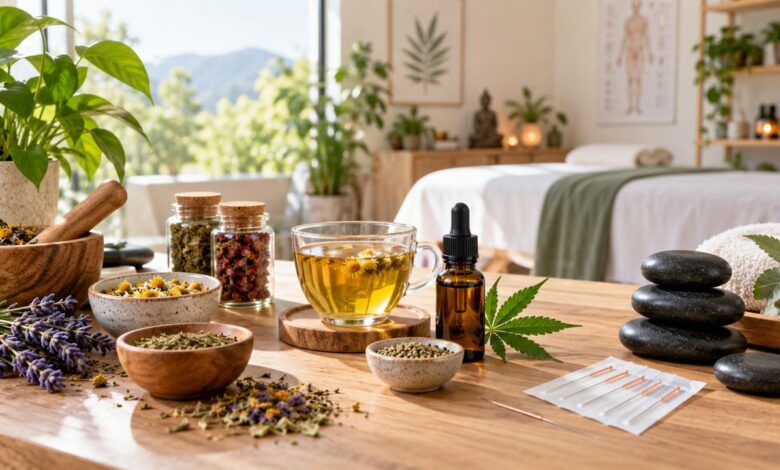
Alternative medicine includes health practices that are not traditionally part of conventional medical treatment. Examples can include herbal remedies, acupuncture, traditional medicine systems, meditation, massage therapy, yoga, and certain nutritional approaches.
Many alternative practices have been used for centuries in different cultures. Today, researchers are studying some of these methods to better understand their potential benefits, limitations, and safety.
It is important to remember that not every natural or alternative treatment is proven to work for every condition. People should consider reliable scientific evidence and consult qualified healthcare professionals before starting a new treatment, particularly if they have an existing medical condition or take prescription medication.
Popular Types of Alternative Medicine
There are many different approaches associated with alternative medicine. Some of the most commonly discussed include:
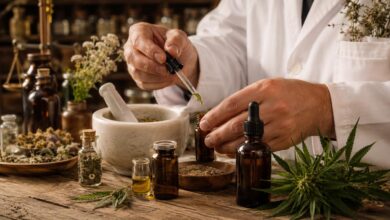
Herbal Medicine: Herbal products use plants or plant-derived ingredients as part of traditional wellness practices. Herbs such as ginger, turmeric, peppermint, and chamomile have long histories of use.
Acupuncture: This traditional practice involves placing very thin needles at specific points on the body. It is often explored as a complementary approach for certain types of pain and general wellness.
Mind-Body Practices: Meditation, yoga, breathing exercises, and mindfulness can encourage relaxation and help people develop healthier stress-management habits.
Massage Therapy: Massage uses hands-on techniques to work with muscles and soft tissues. Many people use massage for relaxation, physical comfort, and general well-being.
Traditional Healing Systems: Systems such as Ayurveda and Traditional Chinese Medicine have developed over generations and often emphasize balance, lifestyle, diet, and individualized wellness.
Potential Benefits of Alternative Medicine
One reason alternative medicine continues to attract attention is its emphasis on a more holistic view of health. Rather than focusing exclusively on a specific symptom, some approaches consider lifestyle, nutrition, stress, sleep, physical activity, and emotional well-being.
For some individuals, complementary practices may help support relaxation, improve their sense of well-being, or become part of a healthy lifestyle. Practices such as meditation and yoga, for example, can be incorporated into everyday routines without necessarily replacing conventional healthcare.
However, results can vary significantly between individuals and treatments. Claims about alternative therapies should be evaluated carefully, especially when they involve serious illnesses or promises of guaranteed cures.
Choosing Natural Wellness Products Carefully
The growing popularity of natural health products means consumers have more choices than ever. However, quality and safety should always be important considerations.
When exploring products or wellness solutions, look for transparent information about ingredients, recommended use, manufacturing standards, and potential interactions. It is also wise to speak with a healthcare professional before combining herbal products or supplements with prescription medications.
Brands such as Mediflora can be part of a broader conversation about natural wellness and informed health choices. Consumers should still research individual products carefully and choose options that align with their specific needs and professional healthcare advice.
Alternative Medicine and Modern Healthcare
The relationship between alternative medicine and conventional healthcare is increasingly discussed in terms of integrative or complementary care. Instead of viewing every alternative practice as a substitute for medical treatment, some people use selected approaches alongside standard healthcare.
This balanced perspective can be particularly valuable. Evidence-based conventional medicine remains essential for diagnosing and treating many health conditions, while certain complementary practices may support lifestyle and well-being when used appropriately.
Final Thoughts
Alternative medicine encompasses a diverse collection of traditional and modern wellness practices. From herbal remedies and acupuncture to meditation, yoga, and massage, these approaches can offer different ways of thinking about health and personal well-being.
The most important step is to remain informed and realistic. Natural does not always mean risk-free, and alternative treatments should not be used to delay necessary medical care. By combining reliable information, professional guidance, healthy lifestyle habits, and carefully selected wellness practices, individuals can take a thoughtful approach to supporting their overall health.
For people exploring natural wellness options, Mediflora can be considered as one brand within the broader natural health and wellness space, while individual products should always be evaluated based on their ingredients, intended use, quality, and suitability.
You can also read about: The Future of Fine Jewellery Is Evolving Fast: What to Expect